When you’re shopping for tyres in Karachi, one of the most common questions our team at TechnoTyre encounters is about the differences between car tyres and van tyres. While both serve the purpose of keeping your vehicle on the road, they’re engineered quite differently. Understanding these distinctions can help you make an informed decision and ensure your vehicle performs safely and efficiently.
Why Car Tyres and Van Tyres Aren’t Interchangeable
Many vehicle owners assume that a tyre is a tyre, but that’s simply not true. The difference between car and van tyres goes much deeper than just size. Van tyres are specifically designed to handle the unique demands of commercial vehicles, while passenger car tyres are built for lighter loads and different driving conditions.
The fundamental reason for this distinction comes down to load capacity. Vans, whether used for commercial transport or family use, carry substantially more weight than standard passenger vehicles. This means van tyres need to be reinforced with stronger materials and different structural designs to safely support heavier cargo.
Van Tyre Load Capacity: Built for Heavy Duty
One of the most significant differences between car and van tyres is their load-carrying ability. Van tyre load capacity is considerably higher than that of passenger car tyres, which is reflected in their load index rating. The load index is a numerical code that indicates the maximum weight a tyre can safely support when properly inflated.
A typical passenger car tyre might have a load index between 80 and 104, corresponding to weights between 450 kg and 900 kg per tyre. In contrast, commercial vehicle tyres designed for vans often have load indices ranging from 110 to 120 or higher, enabling them to carry 1,000 kg or more per tyre.
This heavy duty construction isn’t just about the load index number. Van tyres feature reinforced sidewalls that prevent flexing and maintain structural integrity under pressure. The tyre sidewall strength in a commercial vehicle tyre is significantly greater, made possible by additional rubber compounds and steel belts that distribute stress more effectively.
The Role of Tyre Sidewall Strength
The sidewall of a tyre is the vertical portion between the tread and the rim, and it plays a critical role in tyre performance. In cargo vehicle tyres, the sidewall strength is enhanced to prevent deformation under heavy loads. Reinforced tyres have thicker, more durable sidewalls that resist impact damage and lateral forces better than standard passenger car tyres.
When a van carries goods or passengers, the extra weight puts immense pressure on every part of the tyre, including the sidewalls. A tyre with weak sidewalls would flex excessively, generating heat, reducing efficiency, and ultimately failing prematurely. This is why investing in quality commercial vehicle tyres for your van is not an option but a necessity.
Van Tyre Pressure: Getting It Right for Pakistan’s Climate
In Pakistan’s hot climate, proper van tyre pressure becomes even more important. Van tyres require higher inflation pressure compared to passenger car tyres, which helps them handle the substantial loads they’re designed to carry. The recommended pressure for van tyres is typically between 65 and 80 psi, depending on the specific tyre and load conditions, whereas car tyres usually operate at 32 to 36 psi.
Maintaining correct van tyre pressure is crucial for several reasons. Under-inflation increases sidewall flexing, generates excessive heat, and accelerates tyre wear. In Karachi’s intense summer heat, this becomes even more problematic. Over-inflation, conversely, reduces the contact patch with the road, affecting traction and grip. Regular pressure checks, especially during summer months, help ensure your tyres perform optimally.
Light Truck Tyres and Commercial Vehicles in Pakistan
Pakistan’s transportation network relies heavily on light commercial vehicles. Light truck tyres represent a middle ground between passenger car tyres and heavy-duty commercial tyres. These are commonly used on pickups, small delivery vans, and similar vehicles throughout Karachi and beyond.
Light truck tyres incorporate design features of both passenger and commercial vehicle tyres. They offer enhanced load capacity compared to standard car tyres while maintaining reasonable comfort on both highway and city roads. Many Karachi businesses prefer light truck tyres for their versatility and durability.
Structural Differences You Should Know
Beyond load capacity, the structural design of van tyres differs significantly from passenger car tyres:
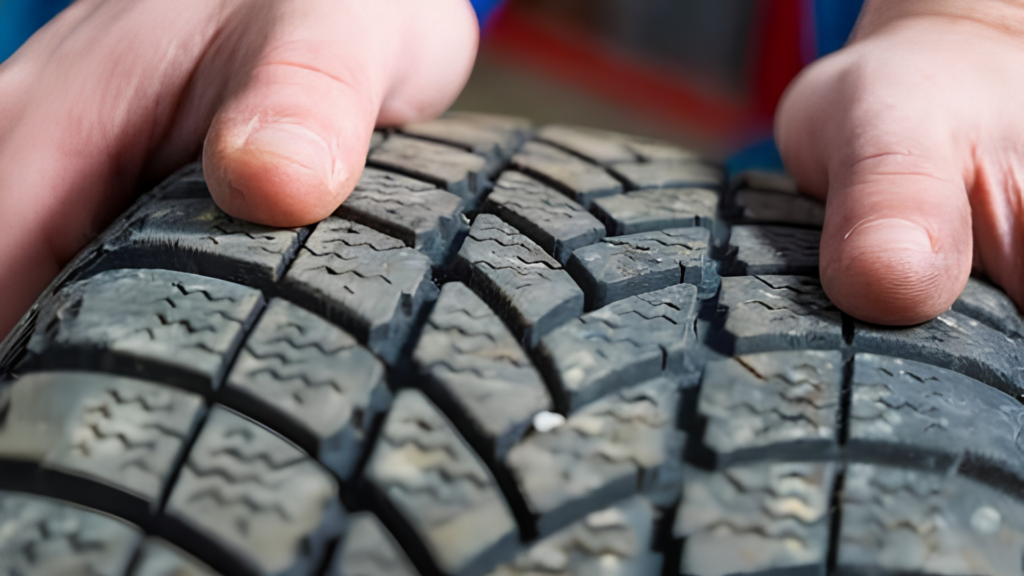
Tread Pattern: Van tyres typically have more robust tread patterns designed for even wear under consistent loading. The grooves are deeper and more widely spaced to handle the demands of commercial use and to shed water and mud more effectively.
Compound: The rubber compound in van tyres is formulated differently to withstand higher temperatures and greater stress. This makes them more resistant to heat buildup and degradation, which is particularly important in Pakistan’s climate.
Belt Structure: While passenger car tyres usually have two or three steel belts, many van tyres feature reinforced belt structures with additional layers, providing greater stability and durability under heavy loads.
Best Van Tyres in Pakistan: What to Consider
When shopping for the best van tyres in Pakistan, several factors should guide your decision:
- Load Rating: Ensure the load index matches or exceeds your vehicle’s requirements
- Climate Suitability: Choose tyres formulated for hot climates if you operate primarily in Karachi
- Tread Depth: Deeper tread helps with water evacuation during monsoon season
- Brand Reliability: Established manufacturers provide consistent quality and better warranty support
- Value for Money: Balance initial cost with expected lifespan and performance
Making the Right Choice for Your Vehicle
The difference between car and van tyres ultimately comes down to purpose and design. Passenger car tyres are optimized for comfort, efficiency, and moderate loads. Van tyres are engineered for durability, load-carrying capacity, and consistent performance under demanding conditions.
Using the wrong tyre type can compromise safety, reduce fuel efficiency, and shorten your vehicle’s lifespan. If you own a van, whether it’s a small commercial delivery vehicle or a larger cargo transport, investing in proper commercial vehicle tyres is essential.
At TechnoTyre in Karachi, we understand the unique requirements of both passenger and commercial vehicles. Our team can help you select the perfect tyres based on your vehicle type, typical load, driving conditions, and budget. Whether you need standard passenger car tyres or heavy duty reinforced tyres for a commercial fleet, we have the expertise and inventory to meet your needs.
Key Takeaways
The primary differences between car tyres and van tyres include load capacity, sidewall strength, tyre pressure requirements, and overall durability. Van tyres feature reinforced construction to handle heavier loads and more demanding driving conditions. Understanding these distinctions ensures you make the right choice for your vehicle’s safety and longevity. When in doubt, consult with tyre professionals who understand Pakistan’s unique driving conditions and can recommend the best solution for your specific needs.
It’s also worth regularly checking your tyre’s manufacturing date and keeping them clean — both play a big role in how long any tyre, car or van, lasts on Karachi’s roads.